When Cambridge Meets Cogdel: We See the Child First
What are the world's top universities really looking for? Outstanding grades? Competition awards? A polished application?
When we turn our attention to Oxford and Cambridge, our thinking about education should perhaps not stop at "how to get admitted". More important than which university a child enters is how they discover their passion, understand their strengths, and find their own direction.
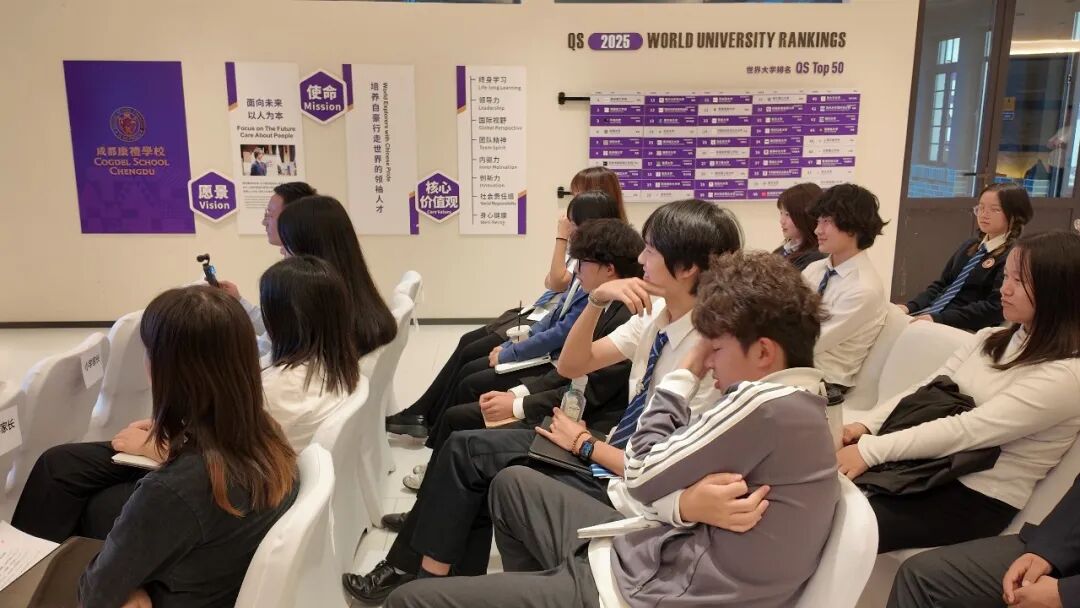
On the evening of 13 October 2026, a former Director of Studies in Mathematics at the University of Cambridge, together with admissions and Oxbridge counselling guests, visited Cogdel School Chengdu for an exchange with students and parents on academic exploration, university planning and future growth.
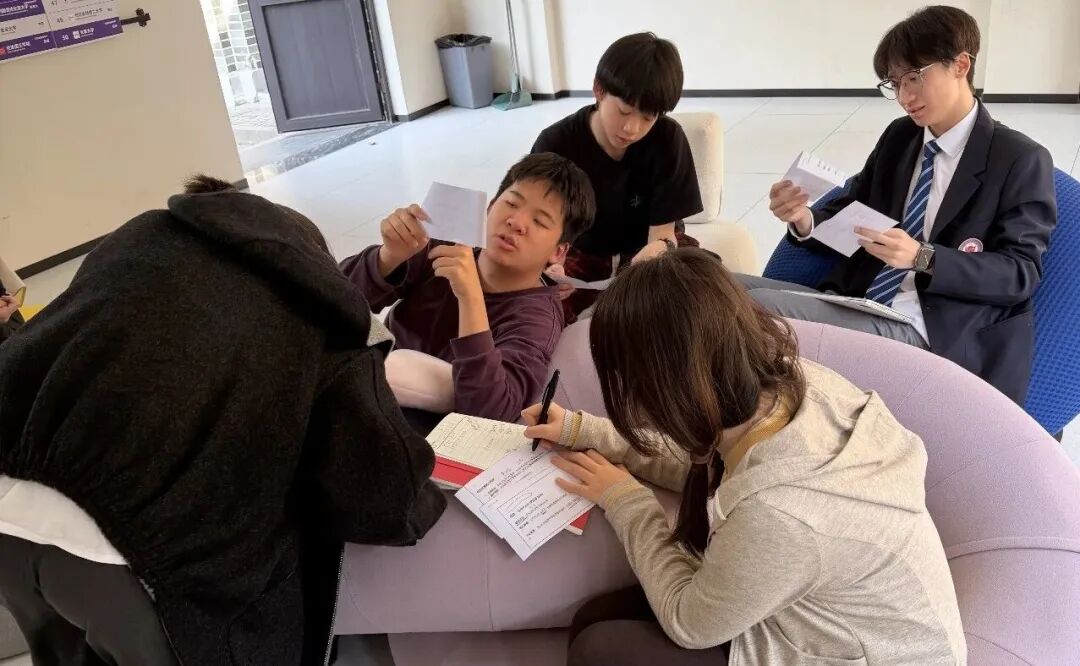
Rethinking excellence, from a Cambridge perspective
The guests shared the application pathways, selection mechanisms and academic development planning of Oxford and Cambridge. For many families, top-university applications mean grades, competitions, interviews and documents. Yet what deserves more attention is the academic ability and accumulated growth behind these steps.
Solid subject foundations, sustained intellectual curiosity, independent thinking, and the initiative to explore the unknown — these are key dimensions in understanding how top universities select. Excellence should not be just a beautiful transcript.
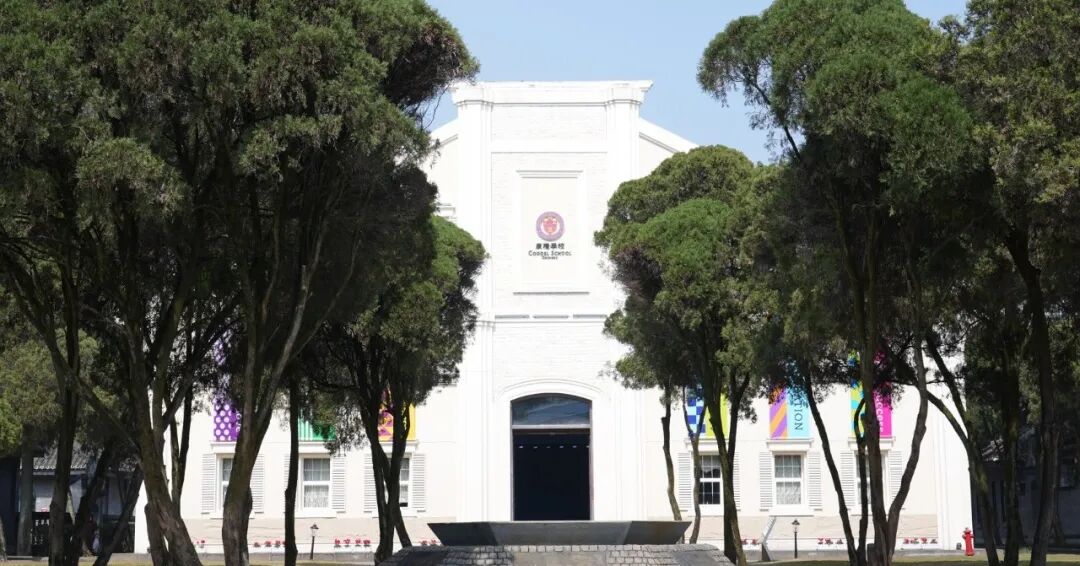
Every talent deserves to be seen
If top universities look beyond standardised scores, should education also give every child more room to develop differently?
Some children love mathematics; some shine in language and expression; some are endlessly curious about science; some are still exploring their interests. Being different does not mean being behind — difference means possibility. An education that truly respects children understands individual differences and helps them discover strengths and grow potential.
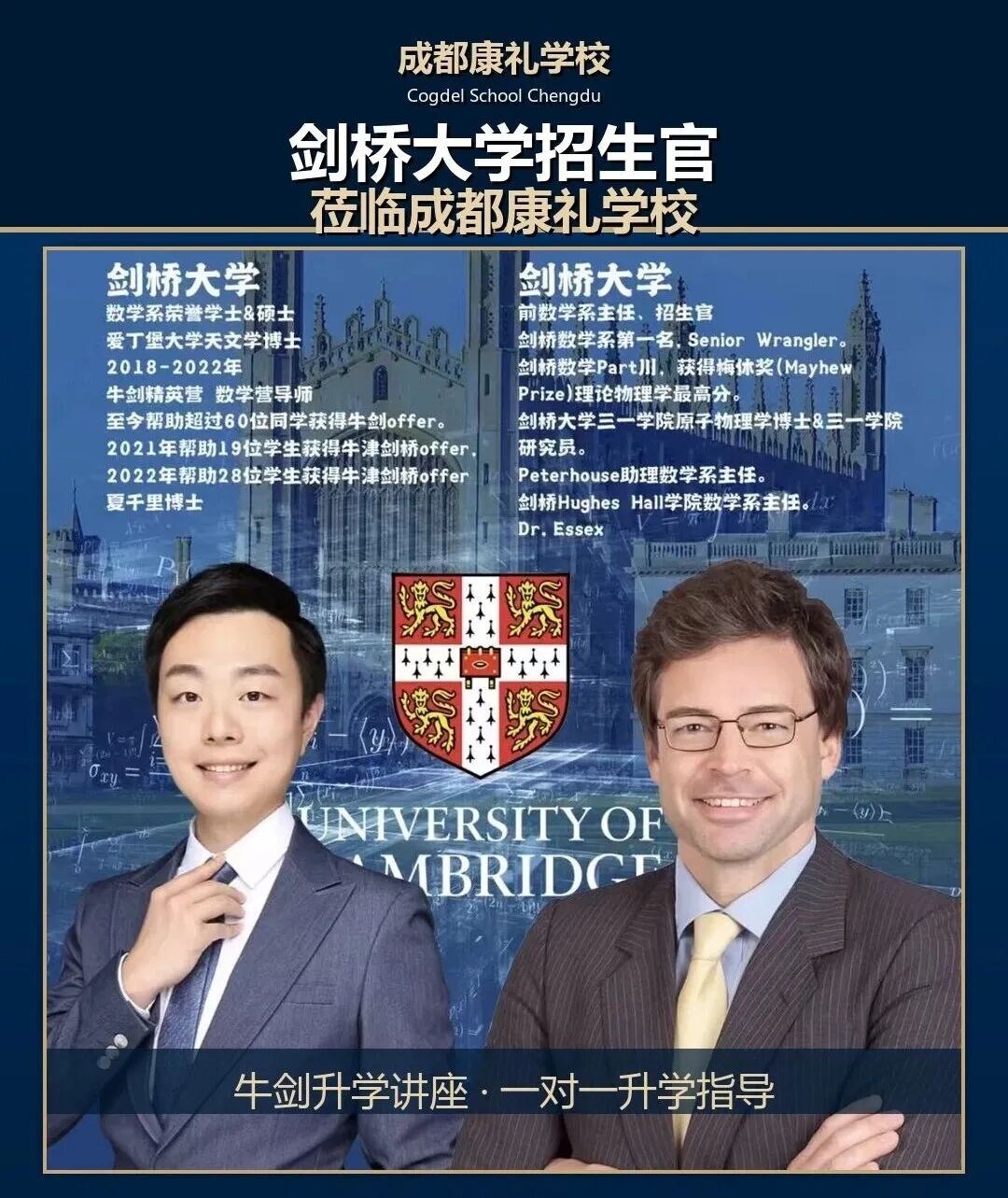
We see the child first
This Cambridge exchange brought us back to Cogdel's own promise: 知其所长,成其所是 — We see the child first.
We believe the first step of education is to see the child: their different interests, their strengths, their own pace of growth, and the potential not yet discovered. Education should not rush to define a child's future, but give them the chance to know themselves, explore the world and pursue what they love.
One child, one timetable
If "We see the child first" is Cogdel's belief, then "one child, one timetable" is how that belief takes shape in the curriculum.
Students who are ready for deeper challenge need more demanding academic space. Students with distinctive talents need their passion to keep growing. Students still finding their direction need more exploration and guidance. One child, one timetable is not about making children different on purpose — it is about respecting the differences they already have.
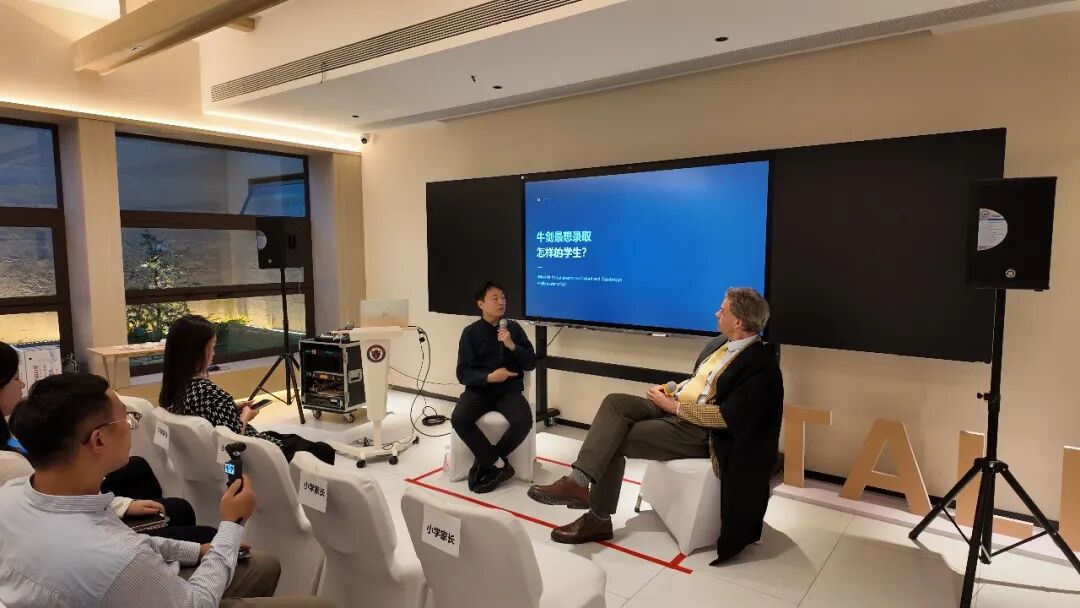
Beyond the classroom, towards the world
A quality university exchange should bring more than application information — it should inspire thinking about education itself. There is never only one path to the future. A world-class university can be a direction, but it should not be the only measure of every child.
From Cambridge to Cogdel, what the distance bridges is a shared belief in education. Excellence never has only one shape, and growth need not follow a single track. Truly good education helps every child discover their own value — and sees every child as different.